
The Pudelpointer Dog: A Versatile Hunting Companion and Family Friend
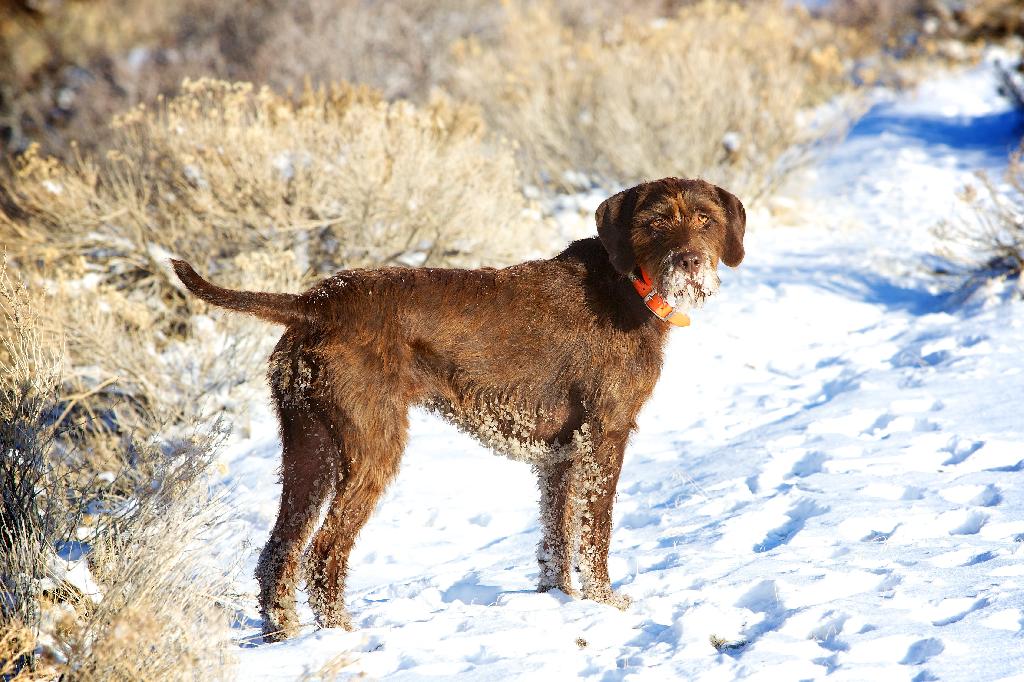
The Pudelpointer is a master of duality—a tenacious, all-purpose hunting dog in the field and an affectionate, gentle companion at home. This unique German breed, born from a deliberate cross of the Poodle and the English Pointer, embodies the best of both worlds. With its sharp intelligence, remarkable versatility, and unwavering loyalty, the Pudelpointer has earned its place not just as a hunter’s prized partner but also as a cherished family member. For those seeking a dog that can navigate dense underbrush, retrieve from icy waters, and then curl up contentedly with the family, the Pudelpointer is a breed that demands consideration.
This comprehensive guide explores every facet of the Pudelpointer, from its storied origins in 19th-century Germany to its specific needs for training, health, and exercise. We will delve into what makes this breed an exceptional hunter, a wonderful family dog, and a significant commitment for any prospective owner.
- Dual-Purpose Breed: The Pudelpointer was intentionally developed to be both a skilled, versatile hunting dog and a calm, affectionate family companion.
- German Origins: The breed was created in Germany in the late 1800s by crossing the German hunting Poodle with the English Pointer to combine their desirable traits.
- Exceptional Hunter: It excels in pointing, tracking, and retrieving on both land and water, making it a true all-around gundog suitable for various types of game.
- High Energy & Intelligence: This breed requires significant daily physical exercise (at least 1-2 hours) and mental stimulation to prevent boredom and destructive behaviors.
- Low-Shedding Coat: Its wiry, dense coat offers excellent protection in harsh conditions and sheds minimally, but it requires regular grooming and occasional hand-stripping.
- Family-Oriented: Pudelpointers are loyal and form strong bonds with their families, generally doing well with children and other pets when properly socialized.
- Not for Novices: Their intelligence and high energy levels make them best suited for active, experienced owners who can provide consistent training and leadership.
The Fascinating Origins of the German Pudelpointer
The story of the German Pudelpointer is one of purposeful creation, driven by a clear vision to engineer the ultimate versatile hunting dog. The breed’s development began in Germany in the late 19th century, a time when hunters sought a single dog that could perform all necessary tasks in the field, from locating upland game to retrieving waterfowl. The goal was to eliminate the need for multiple specialized dogs by creating one that could do it all with exceptional skill.
The architects of this new breed aimed to combine the most desirable traits of two distinct and highly capable dogs: the old German hunting Poodle (Pudel) and the English Pointer. From the Poodle, they sought to inherit its high intelligence, love of water, strong retrieving drive, and protective coat. From the English Pointer, they wanted the keen nose, incredible stamina, and staunch pointing instinct essential for locating game in open fields. This Poodle Pointer cross was not a casual mix but a carefully planned genetic project.
A key figure in this endeavor was Baron von Zedlitz, who wrote under the pseudonym “Hegewald.” A renowned German cynologist, Hegewald envisioned a gundog with unparalleled versatility and a cooperative nature. He and other dedicated breeders meticulously selected foundation stock, using only a handful of Pointers and dozens of Poodles to establish the breed. Their goal was clear: create a dog that was a master of land and water, a superb tracker, and a reliable retriever, all while possessing a calm and biddable temperament at home. The result of their efforts is the German Pudelpointer we know today, a testament to a well-executed vision for the ideal hunting companion.
Appearance and Distinctive Traits of the Pudelpointer
The Pudelpointer’s appearance is a perfect reflection of its function: athletic, durable, and built for endurance. This medium-sized dog has a muscular, well-proportioned build that suggests both power and agility. Its look is rugged and practical, free from exaggeration, with every feature serving a purpose in the field.
The breed’s most distinctive feature is its harsh, wiry, and dense coat. This double coat, with a soft, dense undercoat and a wiry topcoat, provides excellent protection from harsh weather, icy water, and dense, thorny underbrush. The coat is not overly long but should be long enough to offer protection. Common colors are liver (brown) and black. This functional coat is a hallmark of the breed, prized for its durability and low-shedding properties.
In terms of size, Pudelpointers are well-balanced. Males typically stand 22 to 26 inches at the shoulder and weigh between 45 and 70 pounds. Females are slightly smaller, often falling within the same height and weight ranges but on the lower end of the scale. Other distinguishing features include their intelligent and expressive eyes, often framed by bushy eyebrows and a distinct beard that gives them a thoughtful expression. Their ears are medium-sized and drop, and their tail is typically carried straight out when on point.
Temperament: What Makes a Pudelpointer a Great Family Dog?
While bred for the field, the Pudelpointer possesses a temperament that allows it to transition seamlessly into the role of a devoted family dog. Their intelligence, inherited from their Poodle ancestors, is remarkable. This, combined with an eagerness to please, makes them highly trainable and responsive to commands. They are quick learners who thrive on having a job to do, whether it’s advanced obedience, agility, or their primary role as a hunting partner.
At home, Pudelpointers are known for their calm, affectionate, and loyal disposition. They form strong bonds with their human family members and are often gentle and patient with children, especially when raised with them from a young age. Early and consistent socialization is key to ensuring they are comfortable and well-behaved around other pets and in various social situations. Their inherent desire to be part of the pack makes them want to be involved in all family activities, from hiking trips to relaxing evenings at home.
However, prospective owners must understand their profound need for both mental and physical stimulation. A Pudelpointer is not a couch potato. Their high energy levels require daily vigorous exercise to keep them happy and healthy. Without sufficient outlets for their energy and intelligence, they can become bored, which may lead to destructive behaviors like chewing or digging. An under-exercised Pudelpointer is an unhappy one, making them best suited for active families who can provide the engagement they crave.
Mastering the Field: The Hunting Pudelpointer in Action
In the world of gundogs, the hunting Pudelpointer has a reputation for being one of the most versatile and reliable performers. This breed is the epitome of an all-purpose hunting dog, capable of handling nearly any task a hunter asks of it. Its “all-around” capabilities are not just a talking point; they are proven in the field, where the dog seamlessly transitions between pointing, retrieving, and tracking game with unwavering focus.
The Pudelpointer’s endurance and stamina are legendary. It can work tirelessly for hours in diverse and challenging conditions, from the dense forests and open prairies where upland birds are found to the cold, marshy waters inhabited by waterfowl. This adaptability makes it a prized companion for hunters who pursue a variety of game. They excel at hunting quail, pheasant, and grouse, but are equally adept at retrieving ducks and geese from water. Some hunters even use their keen tracking abilities to locate larger wounded game like deer.
When a hunting Pudelpointer is working, its natural instinct and intense focus are on full display. It is a methodical and intelligent partner, working cooperatively with its handler to locate and retrieve game efficiently. This combination of natural talent and a biddable nature is what makes the breed so highly esteemed among serious hunters.
Key Hunting Attributes and Instincts
The Pudelpointer’s prowess in the field is a direct result of the successful blending of its parent breeds. It inherits the Poodle’s intelligence and love for water and the Pointer’s exceptional scenting ability and pointing instinct, creating a perfectly balanced hunter. This combination results in a dog with a keen nose that searches methodically and thoroughly, covering ground efficiently without being overly independent.
One of its most valued attributes is its steady and staunch point. When a Pudelpointer locates game, it freezes, holding its position with intensity until the hunter arrives. Furthermore, it is known for having a “soft mouth,” meaning it retrieves game gently without causing damage—a critical trait for bringing birds back to hand in good condition. Its innate love for water is another key feature. The Pudelpointer’s webbed feet and water-resistant coat make it an exceptional swimmer and a superb water retriever, often willing to break ice to fetch a downed bird.
Above all, the breed is highly biddable. This desire to please and work as a team with its handler makes training a cooperative and rewarding experience. The Pudelpointer wants to understand the task and get it right, a quality that separates it from some more independent-minded hunting breeds.
Training Your Hunting Pudelpointer
Training a hunting Pudelpointer should begin early to harness its incredible natural abilities. The foundation starts with basic obedience, establishing clear communication and a strong bond between the dog and handler. From there, training can progress to developing its retrieve drive, initially with bumpers and then with birds. Positive reinforcement is the most effective method, as these intelligent dogs respond well to praise and rewards.
Consistency and patience are crucial. While the hunting instincts are innate, they must be shaped and refined through structured training. Exposing a puppy to various environments—different types of cover, water, and the sound of gunfire (introduced carefully)—from a young age helps build a confident and steady adult dog. Introducing them to the scent of game birds early will also ignite their prey drive in a controlled manner.
For more advanced skills, some trainers may use tools like a force-fetch program to ensure a reliable retrieve or an e-collar for off-leash control in the field, though these should always be used responsibly and humanely under expert guidance. Ultimately, the key to a top-tier hunting Pudelpointer is ongoing training and regular fieldwork. These dogs live to hunt, and maintaining their skills not only makes them better partners but also provides the mental and physical satisfaction they need to thrive.
Unpacking the Unique Pudelpointer Hunting Style
The Pudelpointer hunting style is a masterclass in efficiency, adaptability, and cooperation. It is this unique approach that sets it apart from many other gundogs, as it truly embodies the best of its Poodle and Pointer heritage. In the field, the Pudelpointer is not a flashy, wide-ranging dog that burns energy unnecessarily. Instead, it employs a methodical and thorough searching pattern, working at a medium range that allows it to stay in tune with its handler.
Its pointing stance is a sight to behold—intense, focused, and incredibly steady. A well-trained Pudelpointer will hold its point for as long as needed, demonstrating remarkable discipline. This allows the hunter to get into position without the dog breaking and flushing the birds prematurely. This deliberate and thoughtful approach is a hallmark of the breed’s field work.
Where the Pudelpointer truly distinguishes itself is in its water work. Thanks to its Poodle ancestry, it possesses a natural love for water and superior swimming ability that is often unmatched by other pointing breeds. It enters the water with confidence and enthusiasm, eagerly retrieving waterfowl even in the most challenging conditions. This versatility means a hunter can move from an upland field in the morning to a duck blind in the afternoon with the same canine partner. Its quiet and focused demeanor makes it an effective and enjoyable companion, always ready for the next command and the next adventure.
Care, Health, and Lifespan of the Pudelpointer
Owning a Pudelpointer comes with the responsibility of meeting its specific care needs to ensure a long, healthy, and happy life. First and foremost are its exercise requirements. This is a high-energy breed that needs at least one to two hours of vigorous activity every single day. Long walks are not enough; they need opportunities to run off-leash in a safe area, swim, and engage in mentally stimulating activities like retrieving games or formal field training.
Grooming their wiry coat is relatively straightforward but essential. Regular brushing a few times a week helps remove loose hair and prevent matting. Unlike many other breeds, the Pudelpointer’s coat should not be clipped, as this can damage its texture and protective qualities. Instead, occasional hand-stripping is recommended to remove the dead outer coat and maintain its harsh, weather-resistant properties. Their ears should be checked and cleaned regularly to prevent infections, a common issue in drop-eared breeds, especially those that spend a lot of time in the water.
The Pudelpointer is generally a healthy and hardy breed with an average lifespan of 11 to 14 years. However, like all breeds, they can be prone to certain genetic conditions. Responsible breeders screen their breeding stock for issues such as hip and elbow dysplasia and certain eye conditions. Bloat (Gastric Dilatation-Volvulus) is another potential concern for any deep-chested dog, so owners should learn the symptoms and take preventative measures, such as feeding smaller meals and avoiding vigorous exercise around mealtimes. Regular veterinary check-ups, a balanced, high-quality diet formulated for active breeds, and proper parasite control are all vital components of their overall care.
Exploring the World of Pudelpointer Mixes
A Pudelpointer mix is a cross between a purebred Pudelpointer and another breed. While the Pudelpointer itself is a product of a historic cross, modern mixes are often created with different goals in mind, sometimes for companionship rather than hunting. People may consider a Pudelpointer mix in hopes of combining its intelligence and low-shedding coat with the traits of another beloved breed, such as a Labrador Retriever, German Shorthaired Pointer, or Golden Retriever.
However, it is crucial for prospective owners to understand the inherent unpredictability of mixed breeds. Unlike purebreds, which have generations of selective breeding to ensure consistent traits, the appearance, temperament, and health of a mix can vary widely. A Pudelpointer mix could inherit any combination of traits from its parent breeds. For example, a cross with a Labrador might result in a dog with the Pudelpointer’s coat or the Lab’s shedding coat, and its energy level could be anywhere on the spectrum between the two.
While the concept of “hybrid vigor”—the idea that mixed-breed dogs are healthier than purebreds—is often discussed, it is not a guarantee. A puppy can still inherit genetic health problems from either parent. Therefore, if considering a Pudelpointer mix, it is essential to ensure the breeder is responsible and conducts the same health clearances for both parent dogs as a reputable purebred breeder would. Thorough research into both parent breeds is necessary to understand the full range of potential outcomes in terms of health, grooming needs, and temperament.
Is a Pudelpointer the Right Dog for Your Lifestyle?
Bringing a Pudelpointer into your life is a significant commitment that should not be taken lightly. Before you start searching for a puppy, it’s essential to honestly assess if your lifestyle aligns with the needs of this demanding breed. Ask yourself these critical questions:
- Do I have enough time for extensive daily exercise? A Pudelpointer needs more than a quick walk around the block. They require at least an hour or two of vigorous, off-leash activity every day, rain or shine.
- Am I prepared for the training commitment? Their intelligence is a double-edged sword. They need consistent, engaging training to channel their minds positively. Without it, they can become bored and develop behavioral issues.
- Is my living situation suitable? While they can adapt to different homes, they thrive in a house with a securely fenced yard where they can run. Apartment living is generally not recommended for this highly active breed.
- Am I an active, outdoorsy person? This breed is happiest when it has a job to do and can participate in outdoor activities like hiking, swimming, and hunting. They are not suited for a sedentary lifestyle.
- Can I provide lifelong companionship? Pudelpointers are social dogs that bond deeply with their families. They do not do well when left alone for long periods and need to be an integral part of the family.
The ideal Pudelpointer owner is experienced with active, intelligent dogs and leads a lifestyle that can accommodate the breed’s need for exercise, training, and purpose. They are patient, consistent leaders who are looking for a true partner in their outdoor adventures and a loyal companion in their home.
Finding a Reputable Pudelpointer Breeder
Finding a responsible and ethical breeder is the most critical step in your journey to owning a Pudelpointer. A reputable breeder is not just selling puppies; they are dedicated stewards of the breed, focused on health, temperament, and hunting ability. Start your search by contacting organizations like the Pudelpointer Club of North America (PCNA), which often provides lists of member breeders who adhere to a strict code of ethics.
When you contact a breeder, be prepared to answer as many questions as you ask. Good breeders want to ensure their puppies go to suitable, lifelong homes. Key questions to ask them include:
- What health testing do you perform on the parent dogs (e.g., OFA or PennHIP for hips, CERF for eyes)?
- Can I see the health clearances for both the sire and dam?
- What are your goals for your breeding program (e.g., hunting performance, temperament)?
- How do you socialize your puppies before they go to their new homes?
- Do you provide a health guarantee and a written contract?
Whenever possible, arrange to visit the breeder’s kennel. This allows you to see the conditions where the puppies are raised and to meet the mother (and father, if he is on-site). The environment should be clean, and the dogs should appear healthy, well-cared-for, and have good temperaments. Be wary of red flags such as breeders who are unwilling to show you their facilities, cannot provide health documentation, or seem to be selling puppies to the first person with cash. Supporting a responsible breeder helps ensure the health and integrity of the Pudelpointer breed for generations to come.
Frequently Asked Questions About Pudelpointers
Are Pudelpointers good with kids and other pets?
Yes, Pudelpointers are generally good-natured and can be wonderful companions for children, especially when raised with them. They are also typically sociable with other dogs. However, as with any breed, early socialization and proper introductions are crucial. It is also important to teach children how to interact respectfully with a dog and to always supervise their interactions.
Do Pudelpointers shed a lot?
Pudelpointers are considered a low-shedding breed thanks to their wiry coat. While they do shed some hair, it is significantly less than many other sporting breeds. To maintain the coat’s health and minimize shedding, regular brushing is needed, along with occasional hand-stripping to remove dead hair. They are not a “wash and wear” dog, but their grooming needs are manageable.
How much exercise does a Pudelpointer need daily?
A Pudelpointer requires a significant amount of exercise—at least 1 to 2 hours of vigorous activity per day is a common recommendation. This should include opportunities for them to run freely in a secure area, swim, hike, or participate in retrieving games. Mental exercise through training is just as important as physical activity.
Are Pudelpointers easy to train for first-time dog owners?
Their high intelligence and eagerness to please make them very trainable. However, their energy and drive can be challenging for a first-time owner. They require consistency, structure, and an owner who understands the needs of a working breed. Novice owners can succeed with a Pudelpointer, but it requires extensive research and a commitment to professional training guidance.
What is the average price of a Pudelpointer puppy from a reputable breeder?
The price for a Pudelpointer puppy from a reputable breeder can vary based on lineage, location, and the breeder’s program. Generally, you can expect prices to range from $1,500 to over $2,500. While this may seem high, the cost reflects the breeder’s investment in health testing, quality care, and proper socialization for the puppies.
What is the typical lifespan of a Pudelpointer?
The average lifespan of a Pudelpointer is between 11 and 14 years. Their longevity can be influenced by factors such as genetics, diet, exercise, and consistent veterinary care throughout their life.