
Unveiling the Pudelpointer: The Ultimate Versatile Hunting Dog
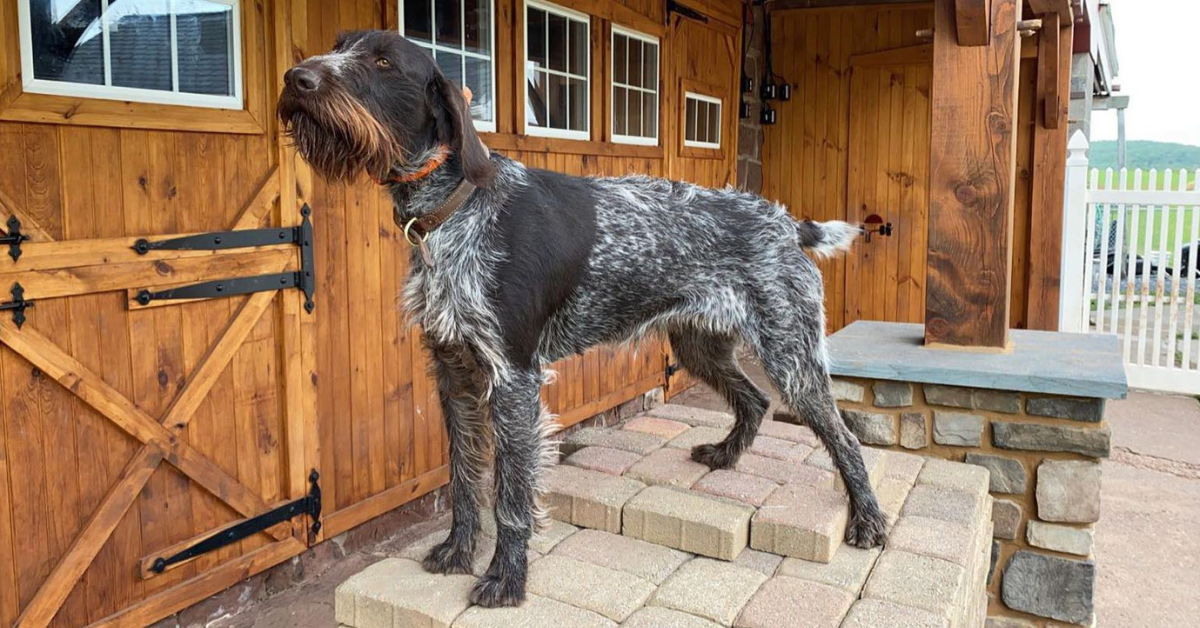
If you’ve ever wished for a dog that combines the keen intelligence of a Poodle with the relentless drive of a Pointer, your search might just be over. Meet the Pudelpointer, a remarkable and highly capable breed that stands as a testament to purposeful German breeding. This isn’t just another designer mix; it’s a carefully developed gundog with a rich history and a specific job to do. Born from the union of the German hunting Poodle and the English Pointer, the Pudelpointer embodies the best of both worlds: a sharp, trainable mind, an unwavering loyalty to its family, and a versatile, all-weather prowess in the field.
The result is a dog that is as much a loving companion in the home as it is a master of upland and waterfowl hunting. Whether you’re a seasoned hunter looking for a reliable partner or an active individual seeking an intelligent and energetic companion, the Pudelpointer deserves your attention. In this guide, we’ll explore everything from its unique origins and unrivaled hunting skills to what it takes to raise and live with this exceptional breed.
- Dual Heritage: The Pudelpointer is a German-bred gundog created by crossing hunting Poodles and English Pointers.
- Versatile Hunter: This breed excels in all aspects of hunting, from pointing and tracking on land to retrieving in water.
- High Intelligence: Combining the smarts of a Poodle with the eagerness of a Pointer, they are highly trainable and eager to please.
- Family Companion: Despite their strong work ethic, Pudelpointers are known for being affectionate and loyal family members.
- Active Lifestyle Needed: This is a high-energy breed that requires significant daily exercise and mental stimulation to thrive.
- Distinctive Coat: Their wiry, dense coat is low-shedding and provides excellent protection from harsh weather and rough terrain.
A Glimpse into the Past: The Pudelpointer’s Origins and Purpose
The story of the Pudelpointer begins in the late 19th century with a clear goal in mind. In 1881, a German breeder named Baron von Zedlitz set out to create the ideal versatile gun dog. He envisioned a breed that possessed the Poodle’s love of water, retrieving instincts, and high intelligence, combined with the Pointer’s incredible scenting ability, drive, and pointing skills. The objective was not to create a new “look” but to forge a superior, all-around hunting companion with a steady, calm temperament fit for any task.
This deliberate cross-breeding involved carefully selected German hunting Poodles (Pudels) and English Pointers. After the initial crosses, breeders worked meticulously for decades, using about 11 Poodles and nearly 80 Pointers, to solidify the desired traits and establish a consistent breed standard. The result was a dog that could seamlessly transition from pointing upland birds in a field to retrieving waterfowl from icy waters, all while being a cooperative and biddable partner.
Physically, the Pudelpointer is built for endurance and function. They are medium-to-large dogs, with males standing 22 to 27 inches at the shoulder and females slightly smaller. Their weight typically ranges from 44 to 70 pounds, depending on their gender and build. Their coat is one of their most defining features: a harsh, wiry, and dense outer layer with a protective undercoat. This weather-resistant jacket comes in colors like liver (brown), black, or deadgrass, protecting them from briars and cold water. Their face is often adorned with a distinct beard and eyebrows, giving them a wise and charming expression.
Beyond their physical attributes, Pudelpointers are renowned for their intelligence and temperament. They are incredibly smart and eager to please, a combination that makes them highly trainable. This intelligence is paired with a deep loyalty and affection for their families. However, their high energy levels and sharp minds mean they need a job to do. Without sufficient mental stimulation and physical exercise, they can become restless. When their needs are met, they are calm, obedient, and loving companions.
Mastering the Field: The Pudelpointer’s Unrivaled Hunting Abilities
When it comes to pudelpointer hunting, versatility is the name of the game. This breed was engineered to be the ultimate jack-of-all-trades in the field, and its natural abilities are nothing short of impressive. Their performance is a beautiful synergy of their Poodle and Pointer ancestry, making them a true all-purpose gun dog.
The Pudelpointer’s core hunting skills are deeply ingrained. Their pointing instinct is intense and staunch, a direct inheritance from their Pointer lineage. They have a natural ability to locate game birds, lock on, and hold a point with impressive focus. But their work doesn’t stop there. Once the game is downed, the Poodle in them takes over. They are exceptional retrievers with a desirable “soft mouth,” ensuring that game is brought back undamaged. This retrieving prowess extends effortlessly from land to water. Highlighting their love for water, Pudelpointers are proficient in waterfowl hunting, their dense, wiry coats providing excellent insulation against cold temperatures.
This breed’s adaptability across different game and terrains is a key reason for its value among hunters. Whether you’re pursuing upland birds like pheasant and quail in open fields, hunting ducks in marshy wetlands, or even tracking larger game, the Pudelpointer is up to the task. Their endurance and protective coat allow them to navigate forests, dense brush, and waterways with equal confidence.
Training a Pudelpointer for hunting is a rewarding experience due to their high intelligence and desire to cooperate. Positive reinforcement is the most effective approach, as these sensitive dogs respond best to praise and rewards. Early exposure to the sights, sounds, and scents of the field is crucial for building a confident hunting partner. Consistency and patience are paramount; while they learn quickly, their intelligence also means they can get bored with overly repetitive drills. Key training milestones include developing steadiness to shot, honoring another dog’s point, and perfecting blind retrieves. Many owners have stories of their young Pudelpointers showing incredible natural instinct, pointing birds on their first exposure or eagerly plunging into water without hesitation—a true testament to their purpose-bred genetics.
Welcoming a New Family Member: Finding and Raising Pudelpointer Puppies
Bringing home pudelpointer puppies is the start of a wonderful journey, but it begins with the crucial step of finding a reputable breeder. Because this is a specialized hunting breed, responsible breeders are focused on preserving the dog’s health, temperament, and working ability. Look for breeders who are active in breed clubs like the Pudelpointer Club of North America (PCNA) and who perform comprehensive health screenings on their breeding stock. It’s essential to inquire about health clearances for conditions like hip and elbow dysplasia and any potential eye issues. A good breeder will welcome your questions, allow you to visit their facility, and insist that you meet the puppy’s parents to see their temperament firsthand.
When selecting a puppy from a litter, look for signs of good health and a balanced temperament. A healthy puppy should have clear, bright eyes, clean ears, and a healthy, well-kept coat. Avoid puppies that seem overly shy, fearful, or aggressive. Observe how the puppies interact with their littermates and with people. A well-socialized puppy will be curious, playful, and confident. A good breeder will be able to help you choose a puppy whose energy level and personality best match your lifestyle and goals, whether they be for hunting, dog sports, or active companionship.
Once you bring your new puppy home, the work of socialization and training begins immediately. The period between 8 and 16 weeks is a critical window for development. Expose your Pudelpointer to a wide variety of sights, sounds, people, and other vaccinated dogs in a positive and controlled manner. This early socialization is vital for raising a well-adjusted and confident adult dog. Begin basic obedience training right away, using positive reinforcement techniques to teach commands like “sit,” “stay,” and “come.” Keep training sessions short, fun, and engaging to hold their attention.
Early puppy care also involves establishing a routine for housebreaking and crate training. A crate can be a valuable tool, providing your puppy with a safe, den-like space of their own and aiding in house-training. Schedule an initial visit with your veterinarian to set up a vaccination schedule and discuss parasite prevention. These foundational steps in health, training, and socialization will set your Pudelpointer puppy up for a lifetime of success as both a skilled hunter and a cherished family member.
Daily Life with a Pudelpointer: Care, Health, and Training Tips
Living with a Pudelpointer is an active and engaging experience. This breed’s high intelligence and athletic background mean they have significant needs for both physical exercise and mental stimulation. A simple walk around the block will not suffice. A healthy adult Pudelpointer requires at least 90 minutes to two hours of vigorous exercise every day. This should include activities that allow them to run freely, such as hiking, swimming, or extended games of fetch. Without a proper outlet for their energy, they can become bored and may develop undesirable behaviors.
Mental enrichment is just as important as physical activity. Puzzle toys, scent work, and regular training sessions help keep their sharp minds occupied. Because of their eagerness to please and trainability, they excel in various dog sports like agility, obedience, and tracking, which can be excellent outlets beyond traditional hunting work.
Grooming the Pudelpointer’s unique coat is relatively low-maintenance but requires consistency. Their wiry, dense coat should be brushed weekly to remove loose hair and prevent matting. They are considered low-to-moderate shedders. Unlike some other wire-haired breeds, their coat should not be clipped, as this can damage the texture. Occasional hand-stripping may be needed to maintain the coat’s harsh, protective quality. Regular ear cleaning is also crucial, especially for dogs that spend a lot of time in the water, to prevent infections. As with any breed, nails should be trimmed regularly.
Pudelpointers are generally a healthy breed, thanks to the careful selection practices of their creators. However, they can be prone to certain genetic conditions, including hip and elbow dysplasia and some eye conditions like cataracts. A balanced diet formulated for active breeds and regular veterinary check-ups are essential for their long-term health. The average lifespan for a Pudelpointer is typically between 12 and 14 years.
Is a Pudelpointer the Right Dog for You? Making an Informed Decision
Deciding to bring a Pudelpointer into your life is a significant commitment that shouldn’t be taken lightly. The ideal owner for this breed is, without a doubt, an active individual or family who embraces the outdoors. Whether you are a dedicated hunter or simply someone who loves hiking, running, or swimming, you must be prepared to provide the high level of physical activity this dog needs to thrive. A Pudelpointer is not suited for a sedentary lifestyle or apartment living without significant access to open spaces.
Prospective owners must also be willing to invest time in consistent training and socialization. Their intelligence is a double-edged sword; while they learn quickly, they can also become bored and develop their own “creative” behaviors if not mentally challenged. If you’re a hunter seeking a dedicated and versatile partner who can handle nearly any task you throw at them, the Pudelpointer is one of the best choices you can make. They live for the work and form an incredibly strong bond with their hunting companions.
It’s important to weigh the breed’s advantages against its potential challenges. On the plus side, you get a dog that is fiercely loyal, exceptionally intelligent, incredibly versatile, and has a low-shedding, functional coat. They are loving family members and generally good with children when properly socialized. On the other hand, their high energy is non-negotiable and must be managed daily. Their need for mental stimulation is constant, and if left alone or under-exercised for long periods, they can be prone to separation anxiety or restlessness. Their strong prey drive also means they may not be suitable for homes with cats or other small pets without careful introduction and management.
Before you start searching for a puppy, take an honest look at your lifestyle, your home, and the amount of time you can dedicate to a dog. If you can meet their needs, the experience of owning a Pudelpointer is profoundly rewarding. They are more than just a pet; they are a true partner in all of life’s adventures, offering unwavering companionship and inspiring capability.
Conclusion: The Complete Canine Partner for the Active Outdoorsman
The Pudelpointer stands as a premier example of what can be achieved through thoughtful, purpose-driven breeding. It is not merely a mix of two breeds but a distinct and highly functional gundog that excels in nearly every hunting scenario imaginable. From its intelligent and trainable nature inherited from the Poodle to the tenacious drive and pointing instinct of the Pointer, this breed is the complete package for the serious hunter. Its ability to seamlessly transition from pointing upland game to retrieving waterfowl makes it a truly versatile companion, saving the need for multiple specialized dogs. The Pudelpointer’s prowess in the field is matched only by its devotion in the home, where it serves as a loyal and affectionate family member.
However, this level of capability comes with a set of non-negotiable requirements. The breed’s high energy and sharp intellect demand an owner who can provide ample exercise, consistent training, and meaningful mental stimulation. This is not a dog for the casual owner; it is a working partner that thrives on having a job to do. For the active family, the dedicated outdoorsman, or the passionate hunter willing to invest the time and effort, the Pudelpointer offers an unparalleled partnership. Choosing this breed means embracing a lifestyle filled with activity, training, and outdoor adventures. If you are prepared to meet these needs, you will be rewarded with a canine companion of exceptional skill, unwavering loyalty, and boundless heart—a true master of the field and a friend for life.
Frequently Asked Questions (FAQ)
Are Pudelpointers good family dogs?
Yes, Pudelpointers can be excellent family dogs. They are known for being loyal and affectionate with their families. However, they are a high-energy breed and require proper socialization from a young age, especially to be comfortable around children. Their ideal family is an active one that can meet their extensive exercise needs.
How much exercise does a Pudelpointer need?
Pudelpointers are very high-energy dogs and need at least 90 to 120 minutes of vigorous exercise daily. This should go beyond simple leash walks and include activities like running, swimming, and field training to keep them physically and mentally satisfied.
Do Pudelpointers shed a lot?
Pudelpointers are considered low-to-moderate shedders. Their wiry, dense coat does a good job of trapping loose hair, but they still require weekly brushing to prevent matting and remove debris, especially after being in the field.
Are Pudelpointers easy to train?
Thanks to their high intelligence and eagerness to please, Pudelpointers are generally easy to train. They respond best to positive reinforcement techniques. However, their intelligence also means they need consistent mental stimulation to prevent boredom.
What is the average lifespan of a Pudelpointer?
The average lifespan of a Pudelpointer is typically between 12 and 14 years. With proper care, a balanced diet, and regular veterinary check-ups, they can live long, healthy lives.
Are Pudelpointers good for first-time dog owners?
A Pudelpointer might be challenging for a first-time owner. Their high energy, intelligence, and need for a specific job (like hunting or advanced dog sports) require a significant commitment to training and activity that can be overwhelming for someone without prior experience with working breeds.
How are they with other pets?
With early socialization, Pudelpointers can get along well with other dogs. However, they have a strong, innate prey drive due to their hunting background. This means they may not be suitable for homes with small animals like cats or rabbits unless introduced very carefully and supervised.